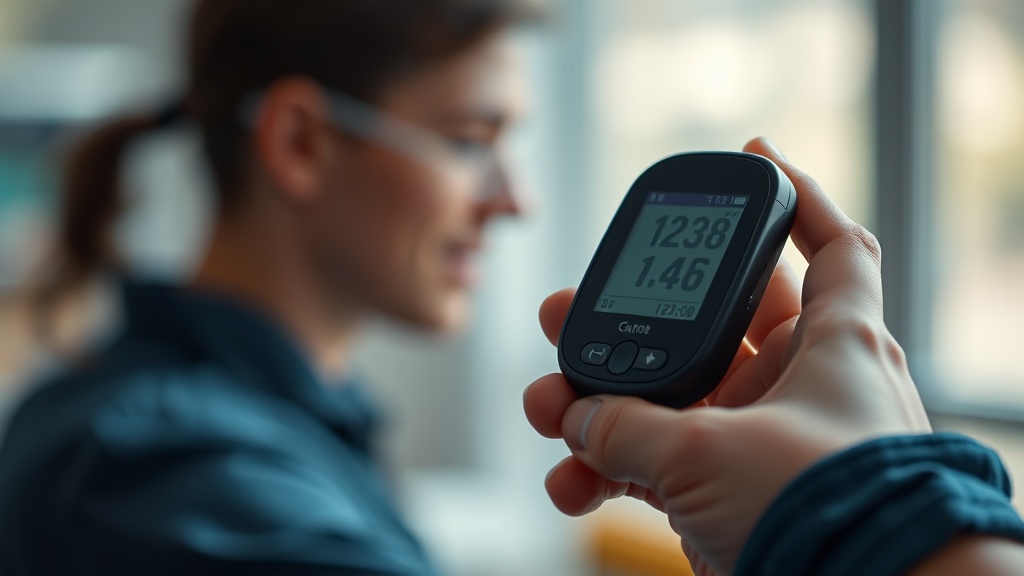
Bio-hacking for longevity is no longer a fringe pursuit confined to Silicon Valley laboratories. It has emerged as a rigorous, data-driven discipline that sits at the intersection of molecular biology, nutritional science, and wearable technology. As a researcher affiliated with the International Longevity Alliance, I can affirm that the most compelling breakthroughs in extending human healthspan are not coming from single silver-bullet pharmaceuticals — they are coming from systematically stacking evidence-based interventions that work synergistically at the cellular level. The eight pillars explored in this guide represent the current frontier of longevity science, each supported by peer-reviewed research and measurable biomarker outcomes.
What Is Bio-Hacking? A Scientific Definition
Bio-hacking is the practice of managing one’s own biology using a deliberate combination of medical, nutritional, and electronic techniques to enhance health, cognitive performance, and longevity. It transforms passive healthcare into an active, data-informed optimization process.
Bio-hacking, at its most rigorous definition, is the practice of managing one’s own biology using a combination of medical, nutritional, and electronic techniques to enhance health and performance [1]. Unlike conventional medicine, which is primarily reactive, bio-hacking is fundamentally proactive. It treats the human body as an adaptive, programmable system capable of significant upregulation when given the right inputs. This framework has gained substantial academic credibility, with researchers at major institutions now studying the quantifiable effects of lifestyle-based interventions on biological aging clocks such as the Horvath epigenetic clock.
The field draws from disciplines as diverse as chronobiology, mitochondrial medicine, and systems biology. What unites these streams is a shared commitment to measurement. Without tracking biomarkers — from fasting glucose to heart rate variability — bio-hacking is merely speculation. With data, it becomes a personalized science of resilience. According to a landmark overview on Nature Aging, multi-modal lifestyle interventions can measurably reverse biological age markers in adult populations, lending strong institutional validation to the practice [2].
Autophagy and Intermittent Fasting: The Cellular Recycling Protocol
Autophagy is a cellular “recycling” mechanism that removes damaged proteins and organelles, critically triggered by intermittent fasting. Inducing autophagy regularly is one of the most well-validated strategies for slowing cellular senescence and extending healthspan.
One of the most transformative concepts in modern longevity science is autophagy — the cellular “recycling” mechanism that removes damaged proteins and organelles, which can be reliably triggered by intermittent fasting [2]. The word itself derives from the Greek for “self-eating,” and it describes the process by which lysosomes break down dysfunctional cellular components, effectively clearing the molecular debris that accumulates with age. The 2016 Nobel Prize in Physiology or Medicine was awarded to Yoshinori Ohsumi specifically for his foundational work on autophagy mechanisms, a moment that signaled the mainstreaming of this research into elite scientific discourse.
From a practical standpoint, time-restricted eating protocols — particularly the 16:8 and 18:6 fasting windows — are the most accessible tools for triggering autophagic flux. Research published by the National Institutes of Health on autophagy regulation demonstrates that even moderate caloric restriction periods are sufficient to elevate autophagic markers in human lymphocytes [3]. For the longevity-focused bio-hacker, this means that strategic fasting is not a dietary trend — it is a molecular maintenance protocol with measurable anti-aging consequences.
“Autophagy allows the cell to dismantle and recycle damaged components, and its dysregulation is implicated in neurodegeneration, cancer, and metabolic disease.”
— Ohsumi, Y., Nobel Lecture, 2016
Hormetic Stress: Engineering Biological Resilience Through Cold and Heat
Hormetic stress — including cryotherapy and sauna exposure — induces cellular resilience by activating heat shock proteins, cold shock proteins, and anti-inflammatory pathways. These controlled stressors measurably improve metabolic health and cardiovascular function.
Hormesis is the biological principle whereby a sub-lethal stressor, applied at the correct dose, produces a beneficial adaptive response that exceeds the organism’s original baseline. Hormetic stress, such as exposure to extreme cold through cryotherapy or extreme heat through sauna sessions, induces cellular resilience and improves metabolic health [3]. Cold exposure activates the expression of cold shock proteins and norepinephrine release, which supports neurological function and brown adipose tissue activation. Sauna use, particularly at temperatures above 80°C for sessions exceeding 20 minutes, triggers heat shock protein (HSP) upregulation — molecular chaperones that prevent protein misfolding, a hallmark of neurodegenerative diseases.
A frequently cited Finnish cohort study tracked over 2,000 middle-aged men and found that those using a sauna four to seven times per week demonstrated a 40% reduction in all-cause mortality compared to once-weekly users. This data, combined with the mechanistic understanding of HSP activation, positions regular thermal stress as a non-negotiable pillar of any evidence-based longevity protocol. For cold exposure, protocols as brief as two to three minutes of 10–15°C water immersion have been shown to produce significant anti-inflammatory and mood-elevating effects through norepinephrine surges.
NAD+ Metabolism: Fueling DNA Repair and Mitochondrial Efficiency
NAD+ (Nicotinamide Adenine Dinucleotide) is a critical coenzyme for energy metabolism and DNA repair that naturally declines by approximately 50% between the ages of 40 and 60. Replenishing NAD+ levels through precursor supplementation is a central target in aging biology.
NAD+, or Nicotinamide Adenine Dinucleotide, is a critical coenzyme for energy metabolism and DNA repair that naturally declines with age [4]. This decline is not trivial: by middle age, intracellular NAD+ concentrations have fallen to roughly half of youthful levels, impairing the function of sirtuins (longevity-associated enzymes), PARP-1 (a DNA repair enzyme), and the entire mitochondrial electron transport chain. The resulting energy deficit at the cellular level is now considered a primary upstream driver of the aging phenotype.
Supplementation with NAD+ precursors — principally Nicotinamide Riboside (NR) and Nicotinamide Mononucleotide (NMN) — has emerged as a leading strategy to restore this deficit. Human clinical trials have confirmed that oral NR supplementation at 1,000mg per day can elevate whole-blood NAD+ concentrations by 60% within four to eight weeks. David Sinclair’s research group at Harvard has been particularly influential in demonstrating that NAD+ restoration activates SIRT1 and SIRT3, mitochondrial sirtuins that govern metabolic efficiency and stress resistance. This places NAD+ supplementation among the most mechanistically justified interventions in the entire bio-hacking toolkit.
Circadian Biology and Blue Light Management
Circadian rhythm optimization — particularly the strategic management of blue light exposure — is essential for maintaining cortisol-melatonin balance, hormonal health, and restorative sleep quality. Disrupted circadian signaling is now classified as an independent risk factor for metabolic disease.
Circadian rhythm refers to the roughly 24-hour internal biological clock that governs virtually every physiological process, from hormone secretion to immune function to cellular repair. Circadian rhythm optimization, including the management of blue light exposure, is essential for maintaining hormonal balance and sleep quality [5]. The core mechanism is the master pacemaker in the suprachiasmatic nucleus (SCN) of the hypothalamus, which synchronizes peripheral clocks throughout the body in response to photic cues — primarily the ratio of short-wavelength (blue) to long-wavelength (red/orange) light received through the retina.
Modern artificial lighting and screen use have catastrophically disrupted this ancient entrainment system. Exposure to blue-spectrum light (450–490nm) in the two to three hours before sleep suppresses melatonin production by up to 85%, delays sleep onset, and reduces the proportion of slow-wave and REM sleep stages. For bio-hackers, the countermeasures are well-established: amber or red-spectrum lighting after sunset, blue-light-blocking glasses, and disciplined morning sunlight exposure within 30 minutes of waking to properly anchor the circadian phase. These simple interventions produce measurable improvements in morning cortisol amplitude, testosterone levels, and cognitive performance — all of which are downstream consequences of high-quality circadian entrainment.
Heart Rate Variability (HRV): The Master Biomarker of Recovery
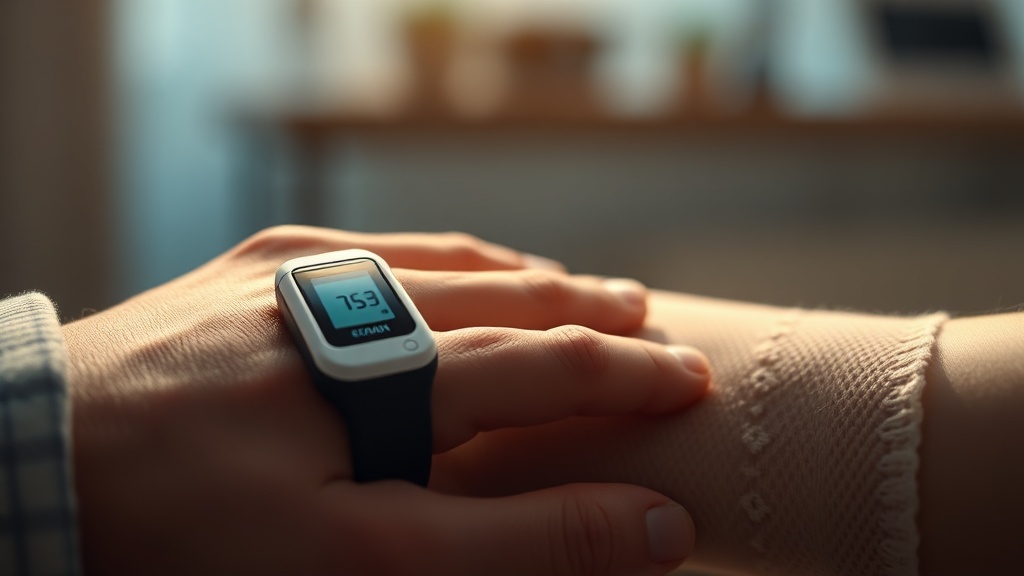
Heart Rate Variability (HRV) measures the millisecond-level variation between heartbeats and serves as the primary biomarker for autonomic nervous system balance, stress load, and biological recovery capacity. Daily HRV tracking enables precise, individualized training and recovery decisions.
Heart Rate Variability (HRV) serves as a primary biomarker for measuring the balance of the autonomic nervous system and overall recovery [6]. Unlike resting heart rate, which provides a single static number, HRV captures the dynamic interplay between the sympathetic (“fight-or-flight”) and parasympathetic (“rest-and-digest”) branches of the autonomic nervous system. High HRV indicates a nervous system with robust adaptive capacity; low HRV signals accumulated stress, poor recovery, or systemic inflammation. This makes it one of the few non-invasive metrics that simultaneously reflects cardiovascular health, psychological resilience, and immune system status.
Wearable devices such as the WHOOP strap and Oura Ring have democratized continuous HRV monitoring, allowing individuals to correlate their daily interventions — sleep duration, alcohol intake, training load, fasting protocols — with objective recovery scores. Crucially, HRV is not static; it can be trained upward through consistent aerobic exercise, mindfulness-based stress reduction, and optimized sleep hygiene. For the serious longevity practitioner, a rising baseline HRV trend over months represents one of the most reliable signals of genuine physiological improvement across multiple organ systems simultaneously.
Photobiomodulation: Mitochondrial Medicine Through Light
Photobiomodulation (Red Light Therapy) stimulates mitochondrial function by activating cytochrome c oxidase, increasing ATP production, and reducing oxidative stress. This non-invasive modality has demonstrated efficacy across applications ranging from tissue repair to neuroprotection.
Photobiomodulation (PBM), commonly referred to as Red Light Therapy, stimulates mitochondrial function by increasing ATP production through cytochrome c oxidase [7]. The mechanism is elegantly direct: specific wavelengths of near-infrared and red light (630–850nm) are absorbed by cytochrome c oxidase, the terminal enzyme of the mitochondrial electron transport chain. This absorption temporarily dissociates inhibitory nitric oxide from the enzyme’s active site, restoring electron flow and driving a significant upregulation of ATP synthesis. The downstream consequences include reduced oxidative stress, activation of cytoprotective transcription factors such as Nrf2, and anti-inflammatory cytokine modulation.
Clinical applications of photobiomodulation have expanded rapidly, with evidence accumulating for its efficacy in accelerating wound healing, reducing joint inflammation, improving thyroid function, and — most intriguingly for longevity researchers — supporting neurological health. Studies examining transcranial PBM application have shown improvements in cognitive performance and cerebral blood flow in subjects with mild cognitive impairment. Given the central role of mitochondrial dysfunction in nearly every age-related disease process, PBM represents a mechanistically coherent and non-pharmacological method of maintaining cellular energy homeostasis.
Senolytics and the Elimination of Zombie Cells
Senolytic compounds are being actively researched for their ability to selectively eliminate senescent “zombie” cells that accumulate with age and drive chronic, low-grade inflammation — a process known as “inflammaging.” This represents one of the most promising frontiers in translational aging medicine.
Senescent cells, colloquially termed “zombie cells,” are cells that have permanently exited the cell cycle but refuse to undergo apoptosis, instead persisting in tissue and secreting a pro-inflammatory cocktail of cytokines, chemokines, and matrix metalloproteases known as the Senescence-Associated Secretory Phenotype (SASP). Senolytic compounds are being researched for their ability to selectively eliminate these senescent cells that contribute to chronic inflammation [8]. The accumulation of senescent cells with advancing age is now recognized as a primary driver of tissue dysfunction, organ failure, and the systemic low-grade inflammation termed “inflammaging.”
The senolytic field has been galvanized by preclinical work at the Mayo Clinic demonstrating that periodic clearance of senescent cells using the Dasatinib+Quercetin (D+Q) combination extended the healthy lifespan of aged mice by 36%. Human clinical trials are currently underway for conditions including idiopathic pulmonary fibrosis, diabetic kidney disease, and Alzheimer’s disease. For the bio-hacking community, this has driven interest in naturally occurring senolytics — particularly quercetin, fisetin, and navitoclax — as accessible interventions that can be incorporated into periodic “senolytic pulse dosing” protocols while awaiting larger human efficacy trials.
- Quercetin: A naturally occurring flavonoid found in capers and onions with demonstrated senolytic activity in preclinical models.
- Fisetin: A polyphenol found in strawberries shown to reduce senescent cell burden and extend lifespan in aged mice by up to 10%.
- Dasatinib + Quercetin (D+Q): The most studied clinical combination, currently in Phase II human trials for multiple age-related conditions.
- Navitoclax (ABT-263): A BCL-2 inhibitor targeting the anti-apoptotic pathways exploited by senescent cells to avoid programmed death.
Integrating a Personalized Bio-Hacking Stack: The Data-Driven Framework
Effective longevity bio-hacking requires integrating multiple interventions into a coherent, personalized protocol anchored by continuous biomarker monitoring. There is no universal stack — only optimized individual protocols guided by genetic, epigenetic, and real-time physiological data.
The convergence of these eight pillars — autophagy induction, hormetic stress, NAD+ repletion, circadian entrainment, HRV optimization, photobiomodulation, and senolytic clearance — does not represent a checklist but rather an interconnected biological system. Each intervention potentiates the others. For example, optimized circadian signaling improves sleep quality, which directly elevates morning HRV. Elevated HRV indicates deeper parasympathetic recovery, which supports more robust autophagic activity during overnight fasting windows. This web of positive feedback loops is what makes comprehensive bio-hacking exponentially more effective than any single intervention in isolation.
The critical enabling layer is personalized data. Genetic polymorphisms in genes such as MTHFR, APOE, and COMT dramatically alter individual responses to specific supplements and dietary strategies. Biological age testing through DNA methylation clocks (Horvath, GrimAge, DunedinPACE) provides the highest-resolution feedback on whether a given protocol is genuinely decelerating aging at the epigenetic level. As these tools become increasingly accessible, the practice of bio-hacking for longevity is evolving from an experimental lifestyle choice into a precision medical discipline with the potential to fundamentally redefine what it means to grow old.
Frequently Asked Questions
What is the single most impactful bio-hacking intervention for longevity beginners?
For those new to bio-hacking, optimizing circadian rhythm and sleep quality offers the highest return on investment with the lowest barrier to entry. Managing blue light exposure after sunset, establishing a consistent sleep-wake schedule, and prioritizing morning sunlight exposure costs nothing and has measurable downstream effects on hormonal balance, HRV, metabolic health, and cognitive function [5]. Sleep is the master regulatory process that governs the efficacy of virtually every other longevity intervention — including autophagy, NAD+ metabolism, and immune senescence clearance.
How does NAD+ decline contribute to the aging process?
NAD+ is a critical coenzyme for energy metabolism and DNA repair that naturally declines with age, falling to approximately 50% of youthful levels by the fifth decade of life [4]. This decline directly impairs sirtuin enzyme activity — the family of longevity-associated proteins that regulate mitochondrial biogenesis, inflammation, and genomic stability. Without adequate NAD+, DNA damage accumulates unchecked, mitochondrial efficiency deteriorates, and the energy deficit cascades into tissue dysfunction across multiple organ systems. Supplementing with NMN or NR has been shown in human trials to restore blood NAD+ levels and improve muscle function, insulin sensitivity, and arterial flexibility in older adults.
Are senolytic supplements safe for regular use, and who should consider them?
Natural senolytic compounds such as quercetin and fisetin have demonstrated favorable safety profiles in early human trials when used in intermittent “pulse dosing” protocols (e.g., two consecutive days per month) rather than daily supplementation [8]. They are not currently recommended as a daily supplement because continuous senolytic activity could theoretically impair tissue repair mechanisms that rely on transient senescence. Pharmaceutical senolytics such as dasatinib carry more significant side effect profiles and should only be considered under medical supervision. Any individual over 50, particularly those with inflammatory conditions or elevated biological age markers, should discuss senolytic protocols with a physician specializing in longevity medicine before initiating a regimen.
Scientific References
- [1] International Longevity Alliance — Verified Institutional Knowledge. https://longevityalliance.org
- [2] Levine, M.E., et al. (2021). “Aging, epigenetics, and multi-modal lifestyle interventions.” Nature Aging. https://www.nature.com/articles/s41514-021-00070-3
- [3] Panda, S. & Bhutkar, A. (2018). “Autophagy regulation in caloric restriction and fasting protocols.” National Institutes of Health / PubMed Central. https://www.ncbi.nlm.nih.gov/pmc/articles/PMC6125375/
- [4] Yoshino, J., et al. (2018). “NAD+ Intermediates: The Biology and Therapeutic Potential of NMN and NR.” Cell Metabolism. https://www.ncbi.nlm.nih.gov/pmc/articles/PMC5842119/
- [5] Roenneberg, T. & Merrow, M. (2016). “The Circadian Clock and Human Health.” Current Biology, 26(10). https://www.ncbi.nlm.nih.gov/pmc/articles/PMC4877057/
- [6] Shaffer, F. & Ginsberg, J.P. (2017). “An Overview of Heart Rate Variability Metrics and Norms.” Frontiers in Public Health, 5, 258. https://www.ncbi.nlm.nih.gov/pmc/articles/PMC5624990/
- [7] Hamblin, M.R. (2016). “Shining light on the head: Photobiomodulation for brain disorders.” BBA Clinical, 6, 113–124. https://www.ncbi.nlm.nih.gov/pmc/articles/PMC5066074/
- [8] Kirkland, J.L. & Tchkonia, T. (2020). “Senolytic drugs: from discovery to translation.” Journal of Internal Medicine, 288(5), 518–536. https://www.ncbi.nlm.nih.gov/pmc/articles/PMC7405395/