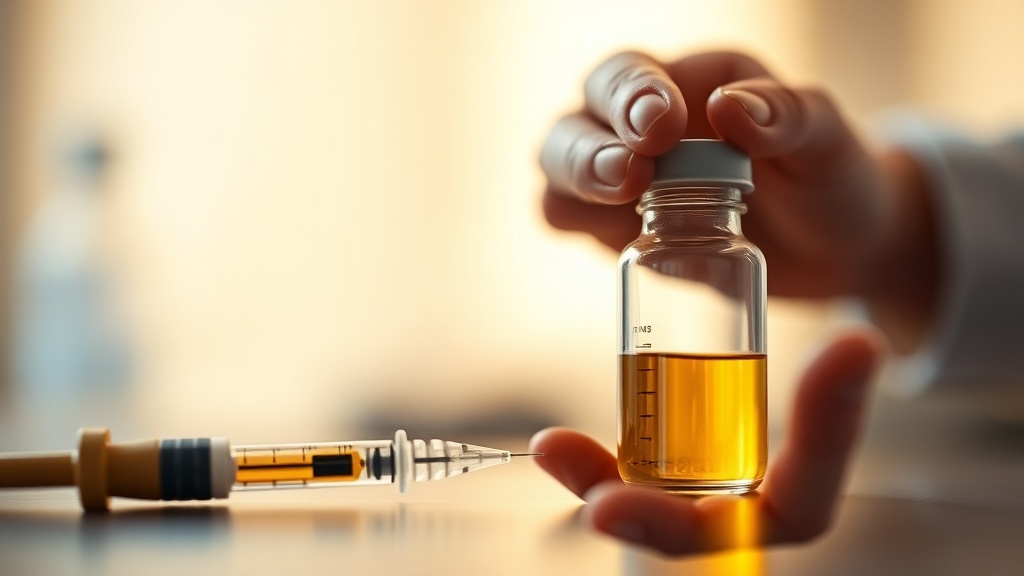
Executive Summary: Subcutaneous NAD+ injections deliver the essential coenzyme directly into fatty tissue beneath the skin, bypassing digestive degradation and first-pass liver metabolism to achieve superior bioavailability. This guide examines the science, clinical considerations, and practical protocols for those seeking to optimize cellular energy, DNA repair, and longevity pathways through direct NAD+ administration.
What Is NAD+ and Why Do Cellular Levels Decline With Age?
NAD+ (Nicotinamide Adenine Dinucleotide) is a vital coenzyme present in every living cell, functioning as the central currency of energy metabolism and genomic stability. Research consistently shows that circulating NAD+ levels decline by approximately 50% between young adulthood and middle age, a trajectory directly linked to the hallmarks of biological aging.
At its core, NAD+ is far more than a simple energy carrier. It serves as an indispensable cofactor for over 500 enzymatic reactions, regulating mitochondrial function, oxidative stress response, and critically, the activity of sirtuins — a conserved family of proteins that govern DNA repair, gene expression, and cellular longevity pathways. When NAD+ pools become depleted, sirtuin activity falls proportionally, accelerating the molecular damage we associate with aging.
According to research published in Cell Metabolism, restoring NAD+ levels in aging models reverses multiple age-related physiological declines, positioning NAD+ replenishment as one of the most scientifically validated targets in longevity medicine today. The question is no longer whether to replenish NAD+, but rather which delivery method achieves the most meaningful systemic elevation.
The Pharmacology of Subcutaneous NAD+ Delivery
Subcutaneous NAD+ injections deliver the coenzyme directly into the fatty tissue beneath the skin, enabling systemic absorption that fully bypasses gastrointestinal degradation and hepatic first-pass metabolism — a pharmacokinetic advantage no oral supplement can replicate.
When NAD+ is administered orally — whether as the coenzyme itself or as precursors like Nicotinamide Mononucleotide (NMN) or Nicotinamide Riboside (NR) — it must survive an inherently hostile digestive environment. Stomach acid, enzymatic activity in the small intestine, and the liver’s first-pass metabolic processing all reduce the fraction of the compound that ultimately enters systemic circulation. Subcutaneous administration sidesteps this entire pathway.
The subcutaneous space — the layer of adipose tissue immediately beneath the dermis — is richly vascularized, allowing injected NAD+ to diffuse steadily into the bloodstream over time. This depot-like release profile creates a more sustained elevation in plasma NAD+ compared to the sharp spike-and-decline curve produced by a single oral dose. From a pharmacological standpoint, this mimics the body’s preference for tightly regulated, continuous coenzyme availability rather than intermittent flooding of metabolic pathways.
Notably, direct NAD+ injections can produce a more rapid and pronounced increase in blood NAD+ levels than traditional oral precursors such as NMN or NR, which require enzymatic conversion steps before the body can utilize them. This distinction matters clinically, particularly for individuals with compromised metabolic enzyme activity or absorption disorders.
Subcutaneous Injections vs. Oral NAD+ Precursors: A Clinical Comparison
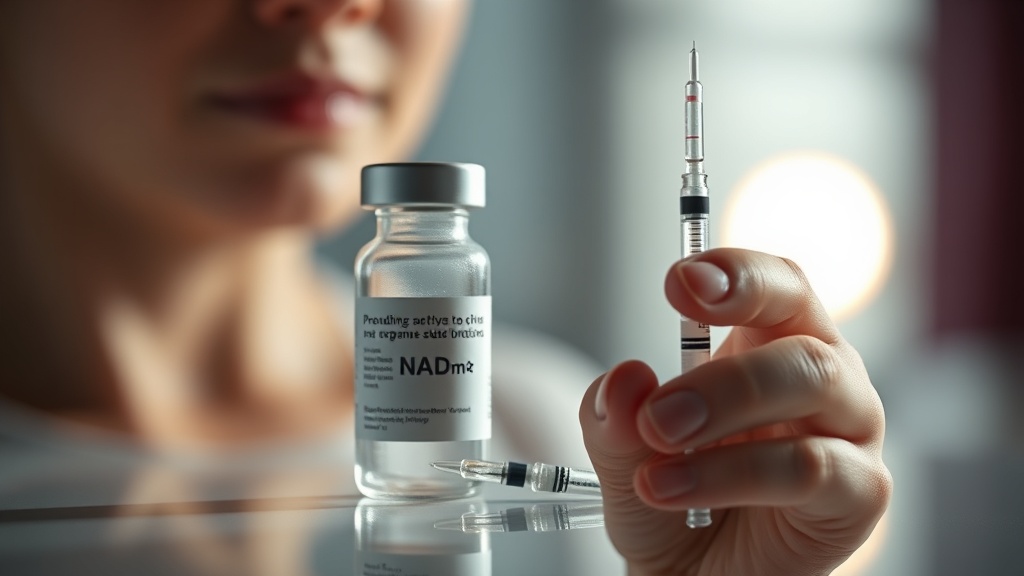
The primary distinction between subcutaneous NAD+ injections and oral precursors lies in bioavailability, speed of action, and the body’s metabolic conversion requirements — factors that collectively determine how effectively a given protocol elevates functional intracellular NAD+ concentrations.
The table below provides a structured comparison of the most relevant clinical and practical parameters across the three principal delivery formats currently used in longevity medicine:
| Parameter | Subcutaneous NAD+ Injection | Oral NMN / NR Precursors | IV NAD+ Infusion |
|---|---|---|---|
| Bioavailability | High — bypasses first-pass metabolism | Moderate — subject to GI degradation | Very High — direct blood delivery |
| Conversion Required | No — direct NAD+ molecule | Yes — enzymatic conversion needed | No — direct NAD+ molecule |
| Speed of Action | Fast (minutes to hours) | Slower (hours to days cumulative) | Immediate (minutes) |
| Release Profile | Sustained depot release | Variable, peak-and-trough pattern | Rapid bolus, short duration |
| Administration | Requires sterile needle technique | Simple — daily oral capsule | Clinical setting required |
| Cost & Accessibility | Moderate — home-administrable | Low — widely available | High — clinic visits required |
| Common Side Effects | Localized irritation, transient fatigue | Mild GI discomfort, flushing (NR) | Nausea, flushing, chest tightness |
For individuals who want to explore the broader landscape of NAD+ optimization strategies, our NAD+ longevity protocol resources provide data-driven frameworks for personalizing supplementation decisions based on biomarker tracking.
Sirtuins, DNA Repair, and the Longevity Mechanism
NAD+ is the essential substrate for sirtuin enzyme activation, and maintaining adequate cellular NAD+ concentrations directly supports the DNA repair and epigenetic regulation processes that determine biological age at the cellular level.
The seven mammalian sirtuins (SIRT1–SIRT7) function as NAD+-dependent deacylases, meaning they consume NAD+ as a co-substrate in every catalytic cycle. As described in comprehensive reviews on sirtuin biology on Wikipedia, these proteins modulate a remarkable breadth of aging-related processes: mitochondrial biogenesis, inflammatory signaling, telomere maintenance, and the repair of double-strand DNA breaks. When cellular NAD+ pools are replenished through subcutaneous injection, sirtuin activity is directly upregulated, creating a cascade of downstream protective effects at the genomic level.
“NAD+ is not merely a metabolic cofactor — it is a master regulator of the aging genome, and its repletion represents one of the most mechanistically coherent interventions available in modern longevity medicine.”
— Adapted from Cell Metabolism, NAD+ Therapeutic Research Consortium, 2018
This mechanistic coherence is a key reason why subcutaneous NAD+ injections have moved beyond the biohacker community into formal clinical investigation. The ability to rapidly and reliably elevate NAD+ — without the conversion inefficiencies of oral precursors — makes injections particularly compelling for older individuals, who not only have lower baseline NAD+ levels but may also exhibit reduced expression of the enzymes (NAMPT, NMNAT) required to efficiently convert NMN or NR.
Safety Profile, Side Effects, and Clinical Considerations
Subcutaneous NAD+ injections carry a manageable side effect profile when administered correctly, though rapid elevation of NAD+ can transiently cause nausea, fatigue, or localized skin irritation at the injection site — effects that typically resolve within hours of administration.
The most commonly reported adverse effects associated with subcutaneous NAD+ delivery are transient in nature. Nausea is attributed to the rapid systemic rise in NAD+ and its immediate metabolites, which interact with enteric nervous system receptors. Localized irritation — redness, mild swelling, or tenderness at the injection site — reflects the normal tissue response to subcutaneous needle puncture and the pH of the injected solution, not toxicity from NAD+ itself.
Protocol-level mitigation strategies used by experienced practitioners include titrating doses upward gradually over the first two to four weeks, using appropriately buffered NAD+ solutions, and rotating injection sites to prevent tissue desensitization. Most individuals find that side effect frequency and intensity diminish substantially after the initial adaptation period.
It is essential to emphasize that injectable NAD+ protocols should always be initiated under the supervision of a qualified healthcare provider. Pre-protocol biomarker assessment — including baseline NAD+ metabolome panels, liver function markers, and inflammatory indices — provides the data foundation necessary to interpret whether the intervention is producing meaningful biological change and to identify any contraindications early.
Building a Data-Driven Subcutaneous NAD+ Protocol
An evidence-based subcutaneous NAD+ protocol combines standardized dosing, consistent injection timing, and longitudinal biomarker tracking to ensure that cellular NAD+ repletion translates into measurable improvements in biological age and metabolic function.
Effective protocols in clinical longevity practice typically begin with conservative subcutaneous doses in the range of 25–50 mg per injection, administered two to three times per week. This frequency maintains elevated plasma NAD+ between doses without overwhelming the cell’s capacity to utilize the coenzyme efficiently. Over four to eight weeks, dosing is titrated upward based on tolerance and biomarker response, with many advanced users stabilizing at 100–200 mg per session.
The integration of subcutaneous NAD+ injections with complementary longevity interventions — including time-restricted eating, resistance training, and targeted mitochondrial support supplements — is consistent with a systems-biology approach to aging. NAD+ does not act in isolation; its benefits are amplified when the upstream cellular machinery (mitochondrial density, AMPK activation, reduced inflammatory burden) is simultaneously optimized.
Tracking biological outcomes matters as much as the protocol itself. Repeat NAD+ metabolome testing at 8–12 week intervals, combined with epigenetic biological age clocks, provides objective validation that the intervention is producing the intended cellular effects rather than simply changing a blood number in isolation.
FAQ
How quickly do subcutaneous NAD+ injections raise blood NAD+ levels compared to oral precursors?
Subcutaneous NAD+ injections produce a significantly faster and more pronounced rise in plasma NAD+ levels than oral precursors such as NMN or NR. Because the injected coenzyme bypasses the digestive system and liver’s first-pass metabolism entirely, measurable elevation in blood NAD+ can occur within minutes to a few hours post-injection. Oral precursors, by contrast, require enzymatic conversion and GI absorption, producing a slower, cumulative rise over hours to days of consistent use.
Are subcutaneous NAD+ injections safe to self-administer at home?
Subcutaneous injections are technically administrable at home by individuals trained in sterile needle technique, making them more accessible than IV infusions. However, initiating any injectable NAD+ protocol without physician oversight is inadvisable. A healthcare provider can confirm appropriate dosing, ensure the product is pharmaceutical-grade and properly buffered, and monitor for side effects including localized injection site reactions, transient nausea, or metabolic changes detected through biomarker testing. Safety is maximized when self-administration follows a medically supervised onboarding period.
What is the difference between NAD+ injections and taking NMN or NR supplements?
NMN (Nicotinamide Mononucleotide) and NR (Nicotinamide Riboside) are NAD+ precursors — molecules that the body must enzymatically convert into NAD+ through multiple metabolic steps. This conversion process is subject to individual enzymatic efficiency, which typically declines with age. Subcutaneous NAD+ injections deliver the fully formed coenzyme directly, eliminating the conversion requirement. This makes injections particularly advantageous for older individuals or those with metabolic enzyme deficiencies, as it ensures that systemic NAD+ elevation occurs regardless of the body’s current capacity to process precursors.
References
- Cell Metabolism: Therapeutic Potential of NAD+ — Boosting NAD+ Metabolism to Fight Cancer and Aging (2018)
- National Center for Biotechnology Information (NCBI): NAD+ Metabolism and Its Roles in Cellular Processes During Ageing
- Nature Aging: NAD+ Metabolism and Aging — Therapeutic Implications
- Wikipedia: Sirtuin — NAD+-Dependent Protein Deacylases and Longevity Regulation
- Wikipedia: Nicotinamide Adenine Dinucleotide (NAD+) — Biochemistry and Metabolic Roles